


Have you ever noticed that some foods that we eat look like our organs ? No? Just me ?? Well I promise you it all makes sense! There’s this concept called the Doctrine of Signatures. It suggests that there are certain foods that resemble our organs and may offer health benefits specifically for those organs! It’s an ancient belief but it still holds some truths. Sounds pretty cool right? Although health isn’t that simple, you won’t eat all these foods and be healed of all ailments. However, there are some fascinating connections between these foods and their nutritional impact. Here are a couple of them right now!
1. Walnuts are nature’s little brain boosters:
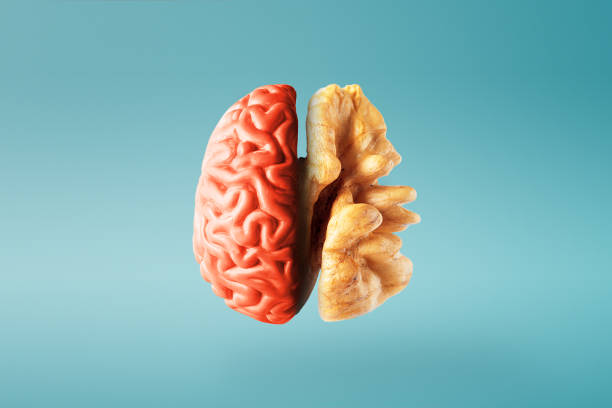
Do you ever stop to look at a cracked-open walnut? It closely resembles the shape of a human brain, with its wrinkled, folded appearance and its overall shape. This isn’t just a coincidence. Walnuts are packed with omega-3 fatty acids, which are crucial for brain function. They also contain plenty of antioxidants and other nutrients that may improve memory and cognitive function. While eating walnuts won’t make you smarter overnight, adding them to your diet can support long-term brain health!
2. Tomatoes keep your heart in top shape:
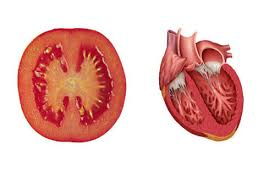
When you slice a tomato in half, you might notice it looks strikingly similar to the chambers of the human heart. Tomatoes are filled with antioxidants. They have especially high levels of lycopene. This specific antioxidant has been linked to a reduced risk of heart disease. This is because lycopene helps lower cholesterol and protects against any cellular damage caused by free radicals, which can contribute to a variety of cardiovascular problems.
3. Carrots are the secret ingredient for bright eye:

A common phrase that is often thrown around when it comes to the benefits of carrots is that “ carrots are good for the eyes”. As a kid I would always hear people say to be careful not to eat too many carrots or your eyes will turn orange … not sure why that was said but nonetheless, there is a link between carrots and vision. First take a look at a carrot cut into circular pieces and you may notice it looks very similar to the look of our irises. Carrots are famous for their eye-health benefits, thanks to their high beta-carotene content, which the body converts into vitamin A. Vitamin A is essential for maintaining healthy vision, particularly in low-light conditions. So, while your eyes won’t turn orange from eating too many carrots, this orange veggie can help keep your vision sharp in the long haul.
4.Fuel your kidneys with the goodness of kidney beans:
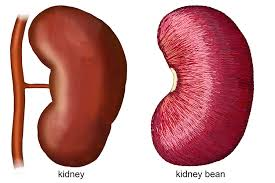
The name says it all! Kidney beans are shaped just like our kidneys. These types of beans are a great source of fibre, protein and nutrients that support overall kidney health. The high levels of potassium and magnesium in kidney beans can help regulate kidney function and promote detoxification of fluids. While eating kidney beans won’t magically cure any kidney ailment you might have or prevent any from occurring, they can play a role in maintaining healthy organ function!
5.Support your skeleton with the power of celery:
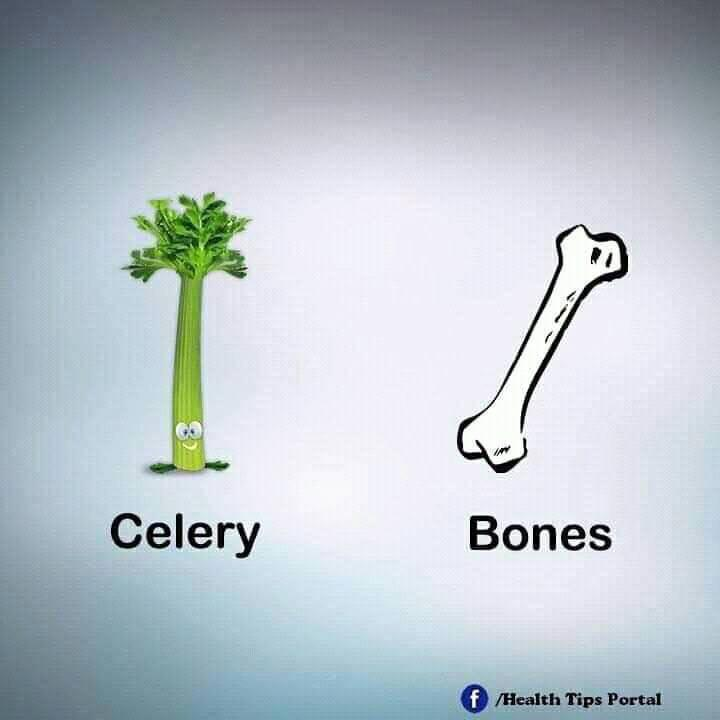
Now this one is interesting to me! I’m pretty sure the last time you ate celery you didn’t think to yourself … Oh hey ! This looks like a human bone! But actually they do ! Celery stalks resemble bones in its long, fibrous stalks, which mimic the shape and structure of human bones. Surprisingly, celery is a good source of silicon ( and a lot of fibre), which plays a role in maintaining strong bones. In fact, celery is rich in vitamin K, which is important for bone metabolism and preventing bone loss as we age.
6. Keep your lungs clear and happy with grapes and broccoli:
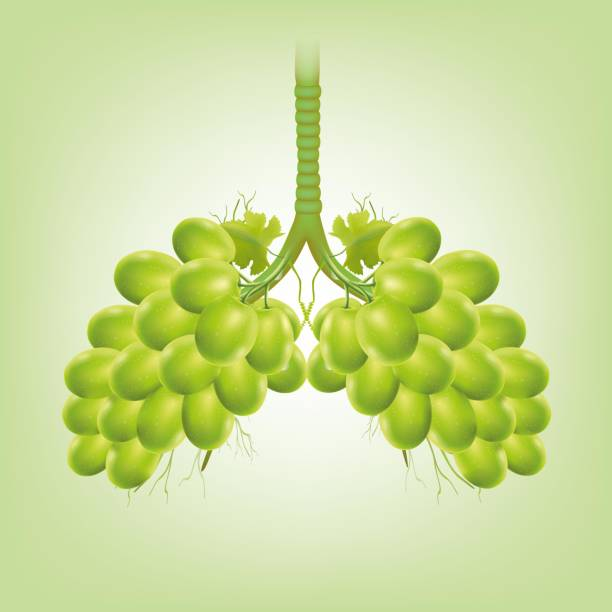
Grapes, especially in clusters still attached to the stems, resemble the alveoli in our lungs. Alveoli are these tiny air sacs that allow oxygen to pass from the air into our lungs and straight into our bloodstream. Essentially they provide our body with the proper mechanism to inhale oxygen and exhale carbon dioxide. Grapes, red or green… whichever you prefer are rich in antioxidants, particularly one called resveratrol. Resveratrol helps to reduce inflammation in the lungs and promote proper respiratory health. A diet rich in antioxidant-filled fruits like grapes can help protect against lung diseases, improve overall respiratory function and your overall lung health!
Wait there’s more!
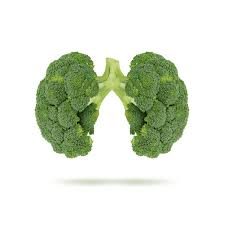
Broccoli can also help lung function! The branching pattern of broccoli florets still attached resembles the bronchi of the lungs which are also responsible for gas exchange in the lungs. Broccoli is high in sulforaphane, a compound that may help prevent lung damage and reduce the risk of lung diseases, including lung cancer. So eating broccoli is good for you! I bet no one has ever told you to NOT eat your broccoli growing up….
7. Avocados support a healthy uterus:
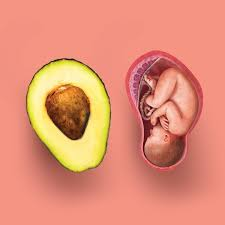
Avocados are shaped like a woman’s womb and…they can take almost nine months to grow from a plant into a fully ripened fruit! Avocados are rich in what’s called folic acid, which is essential for women during pregnancy. Folic acid helps reduce the risk of developing abnormal cervical cells and can prevent certain defects in developing babies. It helps keep the womb nourished so it can grow a healthy baby!
8. Support your pancreas with the sweetness of sweet potatoes:
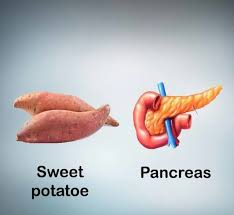
The elongated shape of a sweet potato closely resembles that of our pancreas! Sweet potatoes are rich in beta-carotene, just like carrots, it’s actually what makes both of these veggies orange! Sweet potatoes are packed with antioxidants that play a crucial role in supporting pancreatic function and regulating blood sugar levels. Their slow-releasing carbohydrates make them an excellent choice for managing blood sugar, contributing to overall health and well-being. By incorporating sweet potatoes into your diet, you can enjoy a delicious and nutritious food that supports both your pancreas and your overall vitality!
9. Soothe your stomach with the magic of ginger:
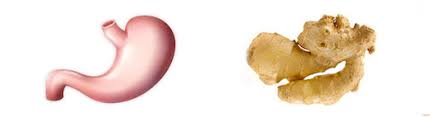
Ginger root resembles the human stomach and has long been praised for its stomach-soothing properties. It is commonly used to relieve nausea, digestive issues and an upset stomach. Ginger’s provide relief from discomfort caused by indigestion, bloating, and gas due to its anti-inflammatory properties. Ginger also helps to promote healthy digestion by stimulating saliva and bile production, which aids in the breakdown of food!
10. Pomegranates are packed with nutrients that nourish your blood:
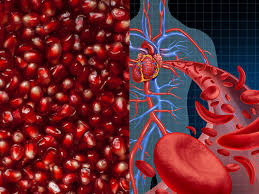
The red, juicy seeds of a pomegranate resemble blood cells. Pomegranates are packed with antioxidants, particularly polyphenols, which help improve circulation and promote heart health. The fruit’s anti-inflammatory properties also support cardiovascular function, making it a heart-friendly snack!
Here’s my take:
While it’s certainly fun and fascinating to see how different foods can resemble our organs, we shouldn’t base our diet solely on how food looks. What truly matters when it comes to food and health is the nutrient content! The key to a healthier diet is simple: eating a variety of fruits, vegetables, and whole foods that are packed with vitamins, minerals, protein, carbs, fats and fibre! No, I’m not saying to only eat these foods. This is simply a list that I find interesting and wanted to share with you. While I did name 10 foods there are plenty more where they came from. So some ideas to incorporate these foods is to make a nice veggie and kidney bean salad, make a soup and add in all kinds of healthy ingredients for a delicious blend !
Here’s are a couple of recipe you might enjoy:
Colorful Quinoa Salad:
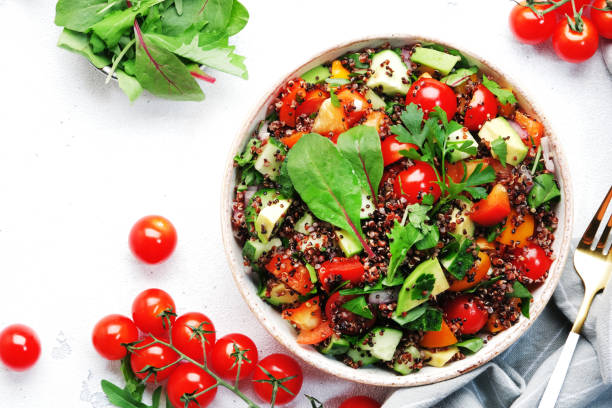
Ingredients:
- 1 cup cooked quinoa or rice
- 1 cup cooked kidney beans
- 1 cup diced sweet potatoes (roasted)
- 1 cup chopped broccoli (lightly steamed)
- 1 cup halved grapes
- 1 avocado, diced
- 1/2 cup pomegranate seeds ( optional )
- 1/2 cup diced tomatoes
- 1/4 cup chopped celery
- 1/4 cup walnuts, chopped
- Juice of 1 lemon
- Olive oil, salt, and pepper to taste
Instructions:
- Cook quinoa or you can also use rice.
- In a large bowl, combine all the ingredients.
- Drizzle with olive oil and lemon juice, and season with salt and pepper.
- Toss gently
- You can serve it chilled or at room temperature:)
Sweet Potato and Ginger Soup:
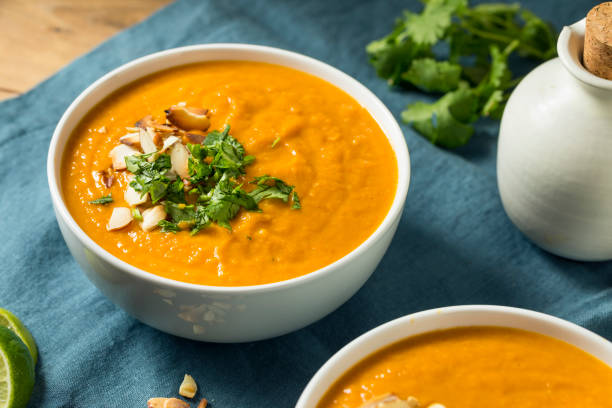
Ingredients:
- 2 medium sweet potatoes, peeled and diced
- 1 tablespoon fresh ginger, grated
- 1 onion, chopped
- 4 cups vegetable broth
- 1 cup broccoli florets
- 1/2 cup chopped carrots
- Salt and pepper to taste
Instructions:
- In a large pot, sauté the onion and ginger until fragrant.
- Add the diced sweet potatoes, carrots, and vegetable broth.
- Bring to a boil, then simmer until the sweet potatoes are tender.
- Stir in the broccoli and cook for an additional 5 minutes.
- Blend the soup until smooth and season with salt and pepper.
- Serve hot and garnish!