


Who here has heard that stress isn’t good for you ? I know I have. But do you really know why it’s not good for you ? What is happening to your body on a physiological level for it to have such long lasting dangerous effect on your overall health.
Listen, a certain amount of stress can be motivating to make you work, be more productive and get things done. When it becomes dangerous is when we are constantly exposed to stress for extended periods of time. The negative side effects of stress can be extremely detrimental to both our mental and physical health.
So here’s who it works…
Stress triggers a complex physiological response in the body. The body’s first response to stress is called the “fight or flight” response. The list of stress triggers is extremely long and varies from person to person, I’m sure we can all make a quick list in our heads but any trigger our brain perceives as a threat our brain releases hormones. Two of which are adrenaline and cortisol. Both of these hormones help to prepare our bodies to respond quickly.
Here are 5 basic things that occur when our body get put under stress:
- Your heart rate increases
- Your blood pressure increase
- Your stored energy supplies get utilized
- Your airways dilate
- It slows down non essential body function; some of which include digestion, immune function, blood flow to your limbs….

When all of this happens in short bursts, this response can be beneficial. This is because these instinctual responses are what will allow us to escape danger or meet a challenge. Essentially from an evolutionary standpoint, these responses evolved from man having to escape a bear. Eventually these mechanisms remain and get activated when we are posed with a threat in modern society. Sometimes it helps us perform better, other times it brings about secondary factors such as anxiety, depression when not dealt with properly.
As I mentioned before, stress becomes dangerous when it becomes chronic. Something as little as a few weeks, months, or even years can cause severe damage physiologically. This means on a cellular level… When things happen on a microscopic level such as prolonged elevated levels of adrenaline and cortisol can eventually lead to a long list of health issues, as the body is not designed to be in a constant state of high alert.

Remember that list of the 5 things that happen when our body undergoes stress…Well some of those factors combined can put you at an increased risk of cardiovascular issues. The two most basic ones are prolonged high blood pressure and certain types of heart disease. The truth is that studies have shown that individuals with high levels of chronic stress are more likely to experience heart attacks and strokes in the long run.
Additionally, stress can suppress the immune system because its priority goes to pumping blood and increasing your blood pressure so that you can deal with the stressor … Or run from that bear … So, in the long run it can make the body more susceptible to infections and illnesses and it can create a vicious cycle of unwanted illness and may even lead to diseases. Exposure to chronic stress has been linked to higher rates of colds and flu viruses, as well as longer recovery times.
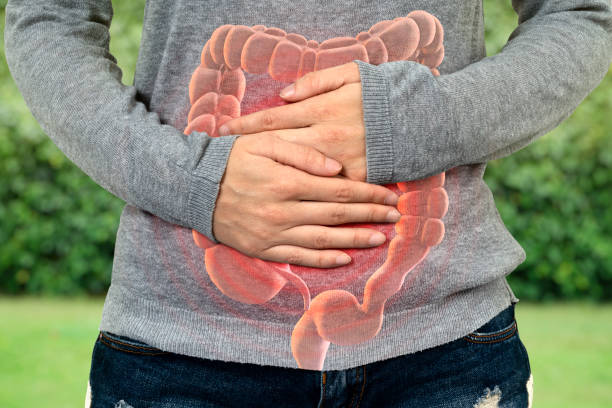
Stress also affects the digestive system, like I said earlier, when we are under stress or body puts less stress on things it may not need in the moment ( or when you are exposed to stress). Overtime, if your body neglects routing nutrients to your stomach. This may lead to problems like irritable bowel syndrome (IBS), acid reflux, and maybe even ulcers. The gut and brain are closely connected and stress can disrupt the balance of good bacteria in the gut causing even further digestive problems.
Other side effects caused by this rerouting of your blood flow includes chronic pain. If all of the blood goes towards pumping blood towards your heart, this means that less blood is circulating to your limbs and our muscles recieve less bloodflow to move. This can cause muscle tension, muscular weakness and sore joints. With time it may lead to severe diseases or disorders.
The link between stress and our mental well-being is very prominent. Chronic stress can manifest itself into anxiety, leading to persistent feelings of worry, fear or panic. When this happens, our body remains in a heightened state of alertness, making it difficult to relax or feel safe. There is also a well established link between chronic stress and depression, as prolonged stress can alter brain chemistry, affecting mood regulation and leading to feelings of hopelessness and despair.
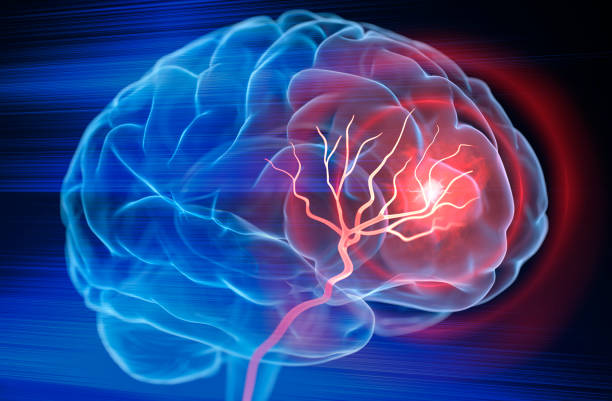
Stress can go as far as impair our brain functions. Making cognitive functions like retaining memories and decision-making abilities often worsen over time. How does this happen? Well, high elevated levels of those 2 stress hormones (cortisol and adrenaline ) affect a certain part of our brain called the hippocampus. This is the part of the brain responsible for learning and memory, leading to difficulties in concentration and problem-solving. When overly activated we can experience things like brain fog that can negatively affect our cognitive function.
Now enough scaring you about stress, there are many different ways we can cope with stress. One way I like to cope with stress is … exercises !!!!
Don’t worry I’m not forcing anyone to go to the gym. What I will suggest to you is at least 30 minutes of moderate exercises on most days of the week. You can either practise walking or something that I like to do to get my whole body moving is called the quick 15. Here’s how I break it down…

- 15 minutes treadmill or 15 min vigorous walking
- 15 jumping jacks
- 15 squats
- 15 lunges
- 15 side lunges
- 15 glute bridges
- 15 romanian deadlift
- 15 bicep curls
- 15 triceps extensions
- 15 hammer curls
- 15 shoulder press
- 15 dumbbell flies
- 15 crunches
- 15 russian twists
- 15 sit ups
The quick 15 works your entire body and if 15 is too much you can change it to be the quick 10 or make it less. Trust me, anything you can do to get your body moving will help reduce your stress levels by releasing endorphins. Releasing endorphins is a natural way to help reduce stress. This is because it helps to counter the effect of those 2 stress hormones. In doing so, endorphins help to promote relaxation and reduce cortisol levels and alleviate the feelings of anxiety, tension and stress. They also help balance adrenaline’s stimulating effects, preventing the body from staying in a prolonged state of stress. By acting as natural mood enhancers and painkillers in a way, endorphins restore emotional and physical equilibrium, helping us recover from stress more effectively. When practiced more often, our body becomes more efficient at regulating high levels of stress.
So, even as few as 30 minutes of movement can make a big difference on your health in the long run , so start where you’re comfortable and build from there! Your mind and body will thank you 🙂