


Let’s be honest — pushing ourselves during a workout can feel like a win. Getting in the zone, feeling strong and motivated to hit those gains! But let me tell you, there’s a fine line between dedication and overdoing it. If your body’s sending you signals, it might be time to hit the pause button. Over-exercising is real, and it’s no joke. But don’t worry, I’ll walk you through the signs, how to prevent it, and what to do if you’ve already gone too hard!
First let’s dive into some technical terms. There’s overtraining, and overreaching. They sound similar right ? Let me clear that up for you:
So what’s overreaching:
Think of overreaching as a temporary mild discomfort when you are pushing your body too hard. You can recover from this but if it persists or you don’t make any changes it may lead to something more serious like overtraining syndrome.
Some common signs you might be experiencing overreaching:
- You might feel extra tired
- You might not be performing as well as you’re used to. So you might feel weaker out of nowhere
- Prolonged muscle soreness
- Increased heart rate out of nowhere

Weirdly enough, over-exercising can make you worse at your workouts. If you notice that your strength, endurance, or speed is dropping instead of improving, this is a big red flag. Your body needs time to rebuild and strengthen after a workout. If you’re not giving it that, you could be running on empty.
Another clear sign of overreaching is muscle soreness. Now,feeling a little sore after a tough workout is totally normal! But when you’re constantly sore, especially long after your workout, it might be more than just delayed onset muscle soreness (DOMS). Sure, DOMS is the normal “I worked my you know what off” soreness that hits 24–48 hours after you exercise. But if you’re still wincing in pain days later, your muscles are telling you they need more time to recover… And you should listen to it. Ignoring this can lead to serious muscle strain or injury.
How to recover from overreaching ?

- Try switching to some activities of active rest . This means try doing less intense workouts, perhaps using your own body weight . With a bit of rest or lighter workouts, your body usually bounces back, and you might even get stronger from it. This is called functional overreaching, and it can sometimes be a part of advanced training programs.
- Take a break from working out so intensely. You can do this by either reducing your workout intensity or volume. Depending on how severe you may be overreaching , I suggest trying taking it easy for 1 week.
- Get more sleep. When we sleep our body recovers. So naturally getting more sleep will help.
- Focus on nutrition. Eat foods that are high in protein , carbs and healthy fats ! Enjoy eating some fruits and vegetables !
- Drink lots of water ! Hydration is key ! Water helps to replenish your muscles too!
- Practice stretching ! Stretch those muscles out. This will help increase blood flow to those areas which will speed up the recovery.
So if you don’t take care of yourself you might develop overtraining syndrome.
What is Overtraining syndrome:
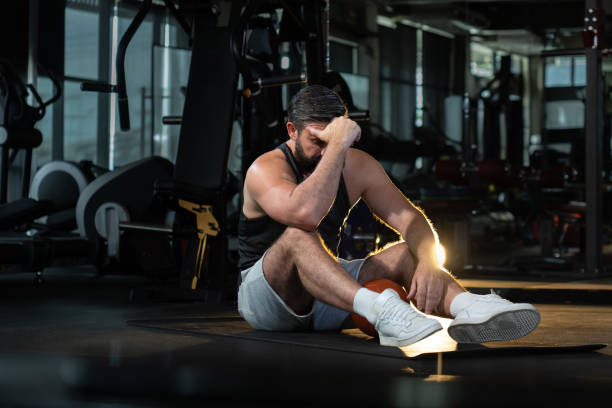
– It is a chronic condition that happens when we train too intensely or frequently without allowing adequate recovery time, leading to prolonged physical and mental fatigue. It’s more severe than temporary fatigue or any of the symptoms experienced during overreaching. It can take weeks or even months to recover from if left unaddressed.
Some common causes are:
- Excessively working out without enough rest
- Not enough recovery
- Poor nutrition habits
- Chronic stress
Common signs:
- You’ll feel exhausted all the time, even when at rest
- Chronic muscle soreness. So no matter what you try to do
- You’re workouts will start to suffer, you might feel weaker or slower
- You might get injured more often either at the gym or on a daily basis due to sudden weakness
- You’re could even get sick more often
- Perhaps a lack of appetite
- You’re will feel more irritable, depressed or anxious more than usual
- You’ll experience lack of motivation not only during your workouts but also in your daily life
- You’ll have trouble concentrating on tasks
- You’ll experience poor quality of sleep…. It might feel like no amount of sleep will make your body and mind feel well rested
Nb: It’s important to note that overtraining affects both your body and** your mind which may lead to burnout.
How to recover from overtraining?

It takes a long time to recover from it. You might need weeks or even months to fully heal and get back to your normal self.
- First you need to stop working out and take adequate amounts of rest. You can do some active recovery but only extremely light activity depending on the severity of your symptoms.
- You’ve got to replenish your nutrients asap. Increase your calorie intake. Particularly your protein intake to help replenish your muscles.
- You can also focus on your macronutrient intake. This means increasing your intake of iron, magnesium, and vitamin D. You may want to see a doctor because you could experience a nutrient deficiency.
All in all when you’re working out it is important to pay attention to warning signs of fatigue, how your body feels as well as any irregularities you may be experiencing. It’s important to listen to your body and give it time to rest to avoid falling into either trap! The mantra “no pain, no gain” can backfire on you if taken too literally. While pushing your limits is key to growth, overdoing it without rest can halt your progress — or even set you back. Recovery is the secret ingredient in any fitness journey. Muscles grow stronger during rest, not while you’re working them into the ground.
Here are some helpful tips:
- Plan your workouts ahead of time…This will help you plan out your workouts but also make sure you aren’t overdoing a certain muscle group or one type of exercise.
- Schedule in your rest day! Yes going all out in the gym is great but trust me, your body needs rest. Rest allows your muscles to rebuild and get stronger. Make rest days a non-negotiable part of your routine. Mix in activities like stretching or light yoga to keep moving, but let your body recover.
One response to “Signs you might be over-exercising and how to prevent and recover from it💪”
[…] Signs you might be over-exercising and how to prevent and recover from it […]