

Have you ever caught yourself clenching your jaw without even noticing? It’s a sneaky habit that many of us don’t realise we have until the tension builds up. Understanding what triggers jaw clenching is the first step toward finding relief. From stress to misalignment, the causes vary — but so do the ways to ease that tension and get back to feeling comfortable. Here are some of the most common reasons why this might be happening to you:
1. Stress or anxiety:

When we get anxious we tend to clench your jaw due to the increased tension. It’s a natural reaction our bodies have to stress, whether to tense up your shoulders, clench your fists or clench your jaw! Strong emotions like stress often lead to physical symptoms, and many people unknowingly clench or grind their teeth when feeling tense. This can lead to a stiff or sore jaw.
2. We can also experience jaw tensions while we sleep:

Perhaps you might be clenching your jaw as you sleep or grind your teeth. Teeth Grinding or it’s also called Bruxism ( if you want to sound fancy ) is actually a major cause of jaw tension. It can lead to wear on your teeth and cause significant discomfort in the jaw and surrounding muscles.Typically this is something that is noticed by your dentist and some people may even wear a mouthguard. Sometimes it can go unnoticed so I suggest just keeping an eye out if you’re feeling tightness or discomfort when you wake up in the morning.
3. There are also little things like a misaligned jaw:
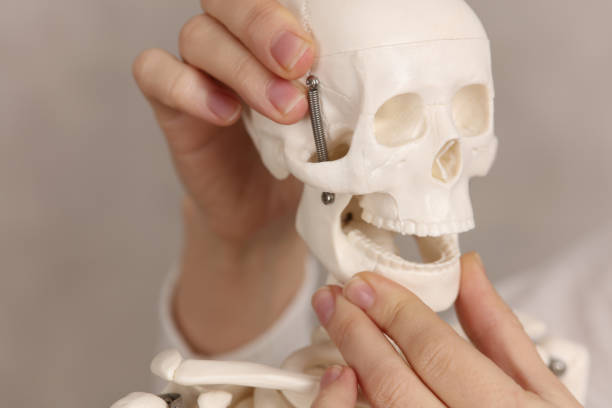
Sometimes we may just have an uneven jaw, where your jaw bones and muscles are not properly aligned. This can either be genetic or due to bad habits such as chewing your gum or the way we bite and chew our food. This can overwork the muscles in the area, leading to persistent tens
4. Poor posture:

Bad posture especially caused by sitting at your desk for too long, hunched over looking at your phone for too long can put strain on the muscles around the neck and jaw which gets linked.
5. Overusing your jaw muscles:

Repetitive activities like excessive chewing (think chewing gum) or talking for long periods can overwork the TMJ, causing it to tighten.
Having some jaw tension is totally normal. It’s more common than you might think, and while it may seem like a minor annoyance, it can lead to other health issues if left unchecked. It might sound unusual but you’ve got to take care of your jaw!
Did you know that your jaw or TMJ ( aka : temporomandibular joint) is home to the strongest joint in your body? Maybe you thought it was your hip joint or your knee but in fact it’s your jaw !!
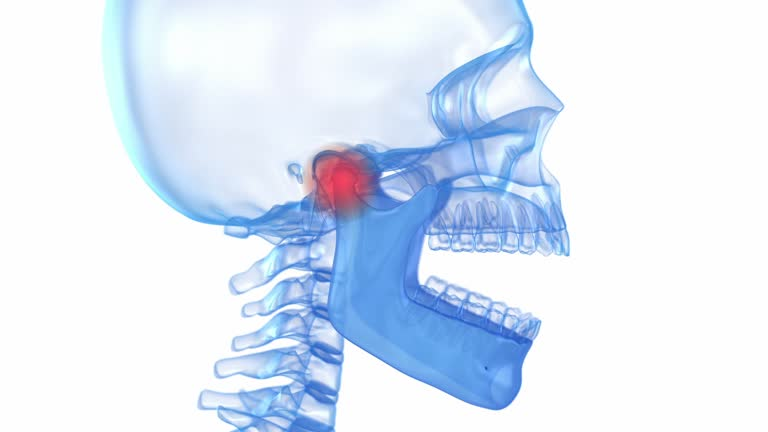
Your jaw is responsible for biting and chewing. The main muscle responsible for those actions is called the masseter muscle. This muscle is capable of exerting a significant amount of force white we bite. Actually, the masseter can generate a bite force of up to 200 pounds ( or 90 kilograms)!! Seems pretty crazy right ! It’s true this joint can exert a force similar to that of bench pressing 200 pounds !!
If you’re reading this right now follow my next couple of steps:
- If you’re sitting, sit back in your chair
- Take a second to relax
- Notice if your jaw is clenched, simply by taking an exhale and letting your jaw just sit. Does it feel heavy ?
- Notice if it was tense , you can even look in a mirror as you do this.
- Simply relax your jaw and let it be
So why should you protect your jaw?
While jaw tension may start as mild discomfort, it can lead to bigger issues if not addressed. We’ve got to treat our strongest joint with respect because it may lead to:
1. Headaches and Migraines:
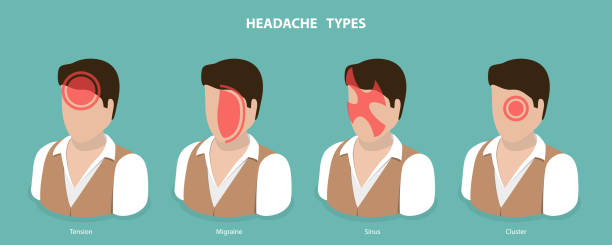
A tense jaw can strain the muscles around your head and neck, leading to tension headaches or even migraines.
2. TMJ Disorders:
Chronic jaw tension can cause temporomandibular joint dysfunction aka discomfort in your temples. All of the muscles of our face including that of our jaw are all attached. So jaw tension may lead to pain, clicking or popping sounds when moving the jaw, and difficulty opening or closing your mouth.
3. Neck and Shoulder Pain:
Jaw tension is often linked with muscle tightness in the neck and shoulders. When the jaw is tense, it can throw off the alignment of the surrounding muscles, causing a chain reaction of discomfort. If left untreated for a long time, it may lead to chronic discomfort.
Not to worry, while there are some medical interventions that can help with relieving tmj stress such as botox which relaxes your masseter muscles and thus relieves your jaw. You may need a mouthguard when you sleep. There are other things you can do that help such as exercise ! No I am not talking about doing bench presses on your jaw. There are a bunch of simple exercises you can do to help your jaw.
3 Exercises to Relieve Jaw Tension:
1. Jaw Massage:

- Place your fingers on the sides of your jaw, just below your ears.
- Gently press and make circular motions with your fingers to massage the jaw muscles.
- Slowly work your way down toward the chin, continuing the circular motion for 1–2 minutes.
- Repeat a few times a day, especially when you feel tension building.
Why does it work?
This massage increases blood flow to the area, helping to loosen tight muscles and reduce soreness.
2. Chin Tucks:

- Sit or stand with your back straight and your shoulders relaxed.
- Gently tuck your chin toward your chest, creating a slight double chin.
- Hold the position for 5 seconds, then slowly release.
- Repeat 5–10 times.
Why does it work?
Chin tucks help strengthen the muscles that support the TMJ, improving posture and relieving tension in the neck and jaw.
3. Controlled Jaw Opening:

- Place the tip of your tongue on the roof of your mouth, just behind your front teeth.
- Slowly open your mouth as wide as you can without discomfort, keeping your tongue in place.
- Hold the open position for 5–10 seconds, then slowly close your mouth.
- Repeat 5–10 times, focusing on controlled movements.
Why does it work?
This exercise helps to stretch and strengthen the muscles around the jaw, encouraging proper movement and reducing stiffness.
Other tips for relieving jaw tension:
1.Stress Management:
Practice relaxation techniques like meditation or deep breathing to help lower overall tension levels, which can reduce jaw clenching
2. Watch Your Posture:
Make sure your workspace is ergonomic. Keep your neck aligned with your spine to prevent tension from building up in the jaw.
3. Limit Gum Chewing:
While it’s tempting, especially when anxious, chewing gum for long periods can overwork your jaw muscles. Give them a break!
So get to it ! Your jaw deserves some relief 🙂