

Headaches can be more than just a minor inconvenience! They can actually be a signal to different underlying issues and impact your day-to-day life. We can often suffer a headache after a long stressful day, after a terrible night’s sleep or even due to dehydration. Sometimes a quick advil, a restful night’s sleep or proper nutrition may just help you out when you’re in a pinch! There are other cases where a headache may be more severe or we might not know why we are experiencing a headache or how to relieve ourselves from the pain.
Understanding the type of headache you’re dealing with is the first step to finding an effective relief. There are many types of headaches, while some may be chronic or short lasting, we can find ways to help relieve ourselves from terrible headaches!
From tension headaches to migraines, each type of headache we experience has specific triggers and treatments. I’ll break down the common types of headaches, what they mean, and how you can manage them and of course I’ll share some helpful tips that could help you manage your headaches better.
First up we have tension headaches:

What do they mean?
Tension headaches are the most common type of headache. They often result from stress, poor posture, or muscle tension in the neck, shoulder, upper back and even from our scalp! They usually feel like a dull, aching pain or pressure across the forehead or the back of the head and neck. Usually the tension or pain is felt only in those local areas.
Common causes:
- Stress or anxiety
- Long hours at a computer or desk
- Poor posture
- Lack of sleep
How to treat tension headaches?
- Rest and Relaxation:
Take short breaks throughout the day, practice deep breathing, or meditate to reduce stress
- Over-the-Counter Pain Relievers:
Medications like ibuprofen or acetaminophen can help reduce pain, but shouldn’t be relied on too often.
- Heat Therapy:
Applying a warm compress to the back of the neck or shoulders can help relax tight muscles. It will promote blood flow to your upper body and when that happens it can start to relax your muscles and relief some of the tension you’ve been experiencing.
My specialty ! Exercise for Relief:
Don’t worry, exercising when you are experiencing a headache is totally doable. I won’t suggest anything too strenuous but certain light movements can promote blood flow and relax tense muscles.
My suggestion for tension headaches:
Stretch #1:
Upper Trapezius Stretch:
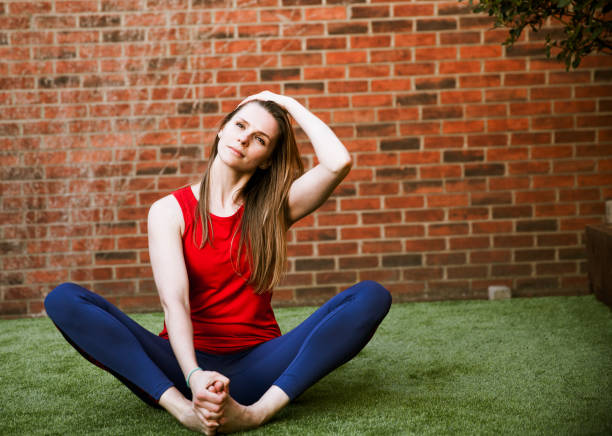
- Sit tall and place your right hand on the left side of your head.
- Gently pull your head toward your right shoulder, stretching the left side of your neck.
- Hold for 15–30 seconds, then switch to the other side. Repeat 2–3 times per side.
NB: This helps relieve tension in the neck and shoulders, which often contributes to tension headaches.
Stretch #2:
Levator Scapulae Stretch:
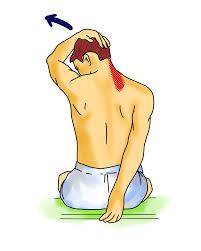
- Sit or stand, then turn your head about 45 degrees to the right.
- Gently tilt your chin down, as if looking toward your right armpit.
- Place your right hand on the back of your head and gently pull downward. Hold for 15–30 seconds, then switch sides.
The second headache type: Migraines:
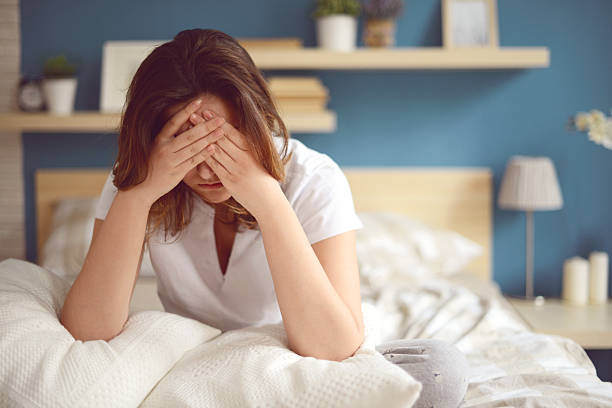
What do they mean?
Migraines are more intense than tension headaches and often come with additional symptoms like nausea, sensitivity to light and sound, and you may have trouble with your vision or balance. A common symptom associated with a migraine is throbbing sensation which can last anywhere from a few hours to several days. These type of headaches are more severe because often times they are a result from abnormal brain activity affecting nerve signals, blood flow, and chemicals in the brain.
Common Causes:
- Hormonal changes (especially in women)
- Certain foods (e.g., caffeine, chocolate, red wine) can trigger migraine for some
- Stress or lack of sleep
- Bright lights or strong smells
How to Treat Migraines?
- Avoid Triggers:
Keeping a headache diary can help you identify foods, activities, or environmental factors that trigger your migraines.
- Prescription Medications:
Talk to a healthcare provider if your migraines are frequent or severe, as they may prescribe specific migraine medications.
- Cold Compress:
Unlike for tension headaches, using cold compresses for migraine might actually do the trick. Placing a cold pack on your forehead or the back of your neck can help numb the pain and reduce inflammation your body may be experiencing due to excessive brain signaling.
Exercise for Relief:
Key tip! Deep Breathing and Relaxation!
When a migraine starts you should not exercise right away. Depending on your symptoms, find a quiet, dark room and practice deep breathing to relax your body. Focus on slow, deep breaths to relieve tension and calm your mind. You can try these 2 stretches if you’re looking to promote blood flow throughout your body.
Stretch #1:
Child’s Pose:
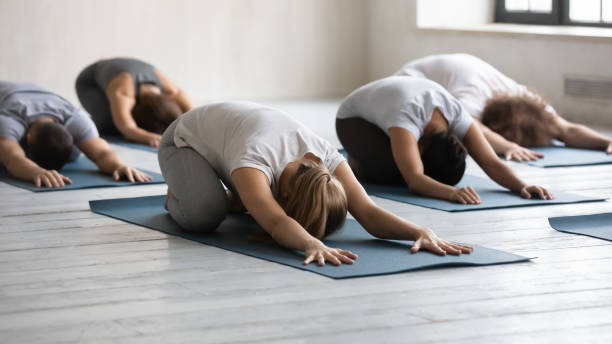
- Kneel on the floor, sit back on your heels, and extend your arms forward, bringing your forehead to the floor.
- Breathe deeply, relaxing into the stretch for 1–2 minutes.
- This yoga pose can help calm your mind, relieve tension, and gently stretch the back and shoulders.
Stretch #2:
Seated Forward Bend:
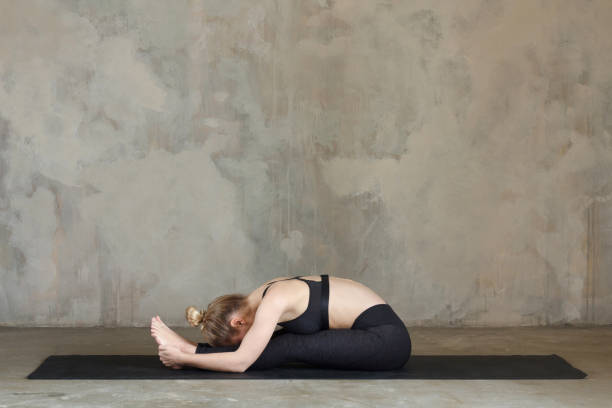
- Sit on the floor with your legs extended in front of you.
- Gently lean forward, reaching toward your toes, and let your head and neck relax.
- Hold for 1–2 minutes, breathing deeply.
- This stretch can release tension in the lower back and spine, often providing relief during a migraine.
The third type of headache is …. Cluster Headaches:
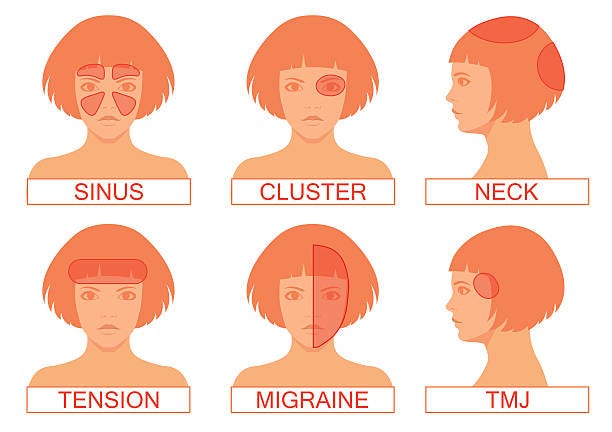
What do they mean?
Cluster headaches are less common but incredibly painful. They typically occur in cycles, with multiple headaches over weeks or months. The pain is usually centered around one or both eye and can be accompanied by nasal congestion or watery eyes. The pain is mostly felt on the face with some slight headaches.
Common Causes:
- The exact cause is unknown, but they may be linked to the body’s biological clock
- Smoking or alcohol can trigger attacks
- Genetics
How to Treat Cluster Headaches:
- Oxygen Therapy:
Inhaling pure oxygen can sometimes provide immediate relief. Also going for a walk and taking some fresh air is the simple choice.
- Avoid Alcohol:
If you suffer from cluster headaches, it’s important to avoid alcohol, as it can trigger an attack.
- Cold Compress:
Applying a cold compress to the affected area can help reduce the severity of the pain. You can apply a cold wet cloth to your eyes and forehead. This will help to numb the pain and provide you with some momentary relief.
Exercise for Relief:
Stretch #1:
Eye Relaxation Exercise:
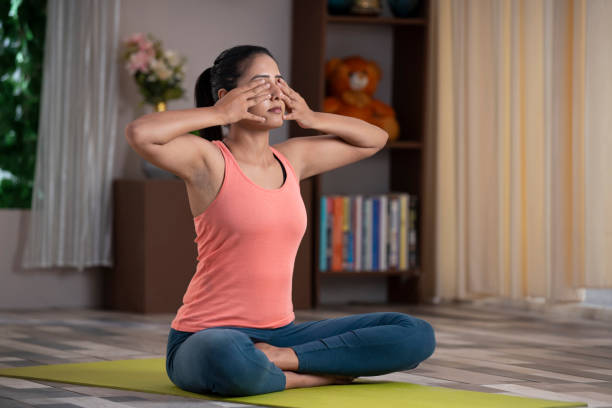
- Gently close your eyes and place your palms over them.
- Without applying pressure, relax and focus on breathing for a few minutes. This can relieve eye strain, a common issue with cluster headaches.
- You can also place your fingers right beneath your eyebrow bone and gently rub around your eye feeling for any tension and promoting blood flow.
Stretch #2:
Neck Rolls:
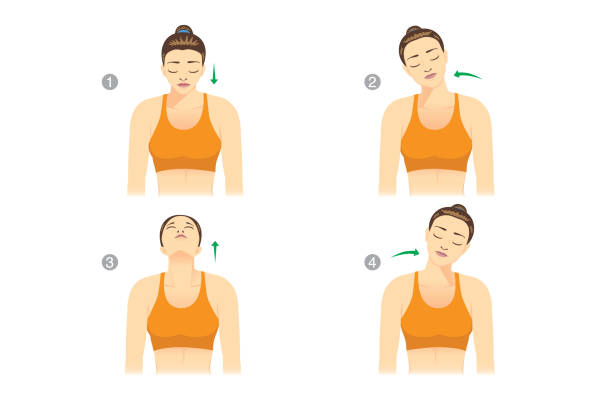
- Sit or stand with a straight spine.
- Gently drop your chin to your chest.
- Slowly roll your head in a circular motion, bringing your ear toward your shoulder, then circling back to centre.
- Repeat in each direction 3–4 times. This exercise helps relieve tension in the neck and upper shoulders, areas that can sometimes tighten up during a headache.
- The next type of headache may seem a little weird but trust me it’s a real thing:
The last headache type:Exercise Induced Headaches:

What do they mean?
These types of headaches can occur during or after intense physical activity. Playing an intense sport, a cardio workout, lifting weights etc. They often feel like a throbbing or pulsating pain on both sides of the head. Usually the pain is felt around the neck area, or sides of the head.
Common Causes:
- Dehydration
- Overexertion
- Heat exposure
- Overdoing it at the gym
- Neck strains due to poor posture when weightlifting
How to Treat Exercise-Induced Headaches:
- Hydrate:
Drink plenty of water before, during, and after exercise to prevent dehydration.
- Warm Up and Cool Down:
I know this might seem like a mundane task to some but it is actually really important to gradually increase and decrease the intensity of your workouts to avoid sudden spikes in blood pressure.
- Rest:
If you feel a headache coming on during exercise, stop and rest immediately.
Exercise to help relieve and prevent exercise induced headaches ( seems counterintuitive I know!)
My suggestion:
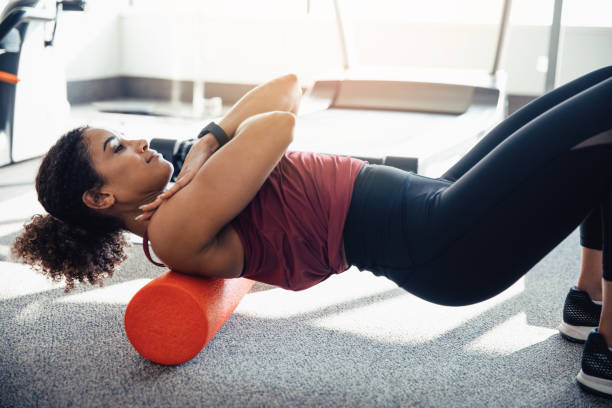
Foam Rolling:
How to do it:
- Use a foam roller to gently roll out your upper back, shoulders, and neck muscles.
- Spend 1–2 minutes on each area.
- Foam rolling helps release muscle tightness and promotes blood flow, which can reduce the risk of headaches after a workout 🙂
One response to “Find out which type of headache you may be experiencing and how to heal from it!”
💕