

Do you ever get up, head to work, and then suddenly it’s 6 PM — and you realize you’ve been glued to your desk all day? Your back is stiff, your neck feels sore, and there’s this weird ache creeping pain in your wrist. Sound familiar? Because, same. Sometimes we get carried away working all day. But what we don’t realize is how much our bodies are silently suffering through all those hours of inactivity as we are working away. Our muscles tighten, posture slumps, circulation slows. Over time, this can lead to real health problems — think chronic pain, reduced mobility, and even an increased risk of heart disease.
So what can we do about it? Especially if our jobs keep us at a desk? The good news: even small movements can make a big difference. Although I do my best to keep active during the day, whether it’s at home workouts, long walks, going to Pilates. But sometimes, I just have those days where I’m sitting at my desk working. During those long working days I’ve come up with 10 exercises you can do right at your desk in between calls and sending off emails so you don’t need to leave your desk. I’ll get into those in a second but first let’s address the dangers of sitting at your desk and why sitting is considered to be the new smoking!
🛑 What Are the Real Dangers of Sitting Too Long?
1. Poor posture:
When we sit for hours, especially hunched over screens, our shoulders round forward, our head creeps ahead of our spine, and our natural S-curve of our spine turns into a C-curve. This posture doesn’t just look off — it places strain on your spine, neck, and hips and can lead to chronic pain.
2. Muscles weaken and tighten:
Your glutes and core “turn off” when you sit, while your hip flexors become tight. Over time, this imbalance can cause back pain, stiffness, and reduced mobility. If we don’t get some movement in our muscles we will get into this vicious cycle and if left untreated.
3. Blood flow slows down:
Long periods of sitting leads to poor circulation in your legs, which increases the risk of varicose veins, swelling, and even blood clots (especially in people who sit for long flights or drives). Eventually it may lead to muscle atrophy too.
4. Energy and mood dip:
Sitting too long reduces blood flow to the brain, contributing to mental fatigue, lower productivity, and even mood changes.
5. Long-term risks increase:
Prolonged sedentary time is linked to a higher risk of heart disease, type 2 diabetes, certain cancers, and premature death. And listen, this risk remains possible even in people who hit the gym — because what matters is how long you’re sedentary in between workouts.
✨ The Solution? Move Move Move…. While You Work
The good news! ….. Practicing micro-movements during the day while you work can help negate the negative side effects of having to sit at your desk all day. These can make a huge difference alongside your weekly scheduled workouts. Breaking up your sitting time with short bursts of movement helps because it can:
- Improve circulation
- Boost energy and focus
- Reduce muscle stiffness
- Support a healthy posture
- Prevent long-term damage
🔟 Easy Desk Exercises to Wake Up Your Body
1. Seated Spinal Twist:
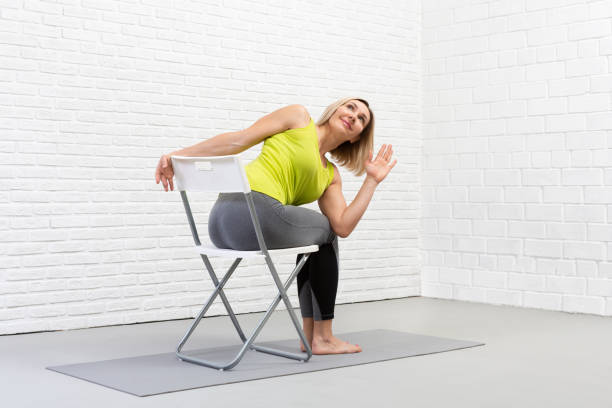
Why it helps: Long sitting stiffens the spine and reduces mobility. Twisting helps “reset” your posture and stretch the back muscles.
How to do it: Sit upright with your feet flat. Place your right hand on the back of your chair, left hand on your right knee. Gently twist to the right, looking over your shoulder. Hold for 10–15 seconds. Switch sides.
2. Wrist & Finger Stretch:
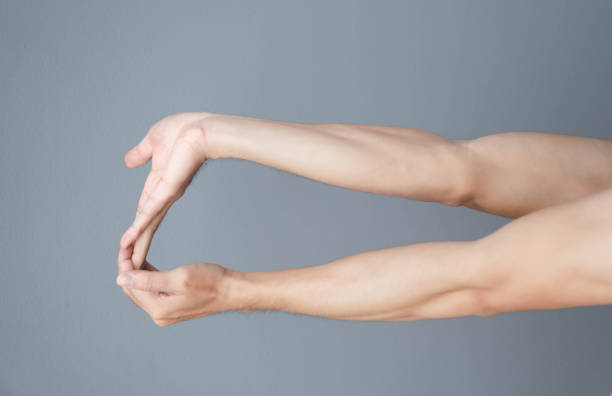
Why it helps: Repetitive typing and scrolling tightens the wrists and fingers, leading to pain or even carpal tunnel.
How to do it: Extend one arm forward, palm up. Use the opposite hand to gently pull fingers back toward you. Hold for 15–20 seconds. Flip the palm and stretch the top of the wrist. Switch sides.
3. Shoulder Rolls:
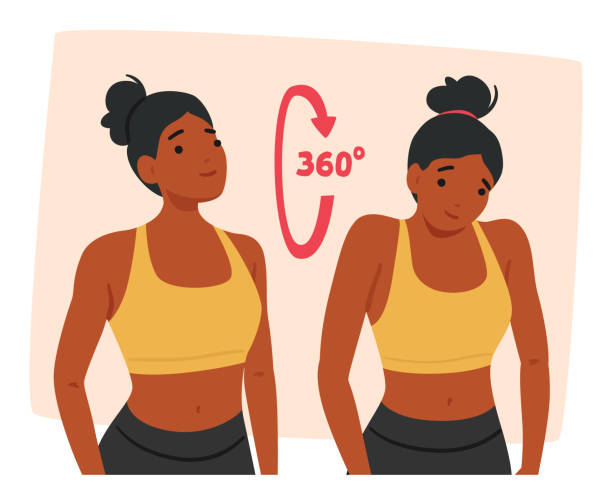
Why it helps: Slouching locks up the shoulders and upper back. Rolling them helps open the chest and improve posture.
How to do it: Sit or stand tall. Roll your shoulders forward in slow circles 10 times, then backward 10 times.
4. Neck Stretch with Arm Drop:

Why it helps: Looking at screens tightens the neck muscles. Stretching can relieve tension and prevent headaches.
How to do it: Drop your right ear to your right shoulder. Let your left arm hang or gently pull down on your head for a deeper stretch. Hold 20 seconds, then switch sides.
5. Seated Marches:
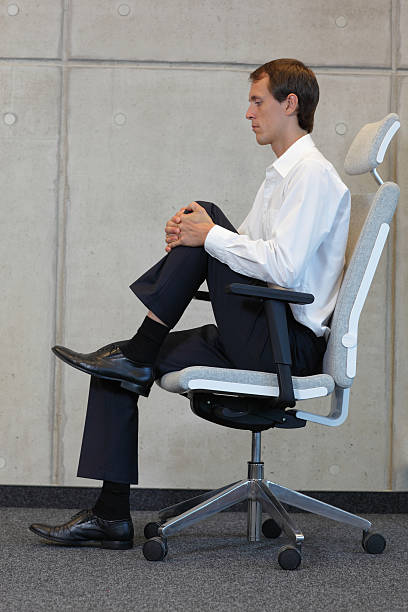
Why it helps: Keeps your legs active and gets blood flowing without standing up.
How to do it: While sitting, lift one knee toward your chest, then lower and switch legs. Alternate for 30–60 seconds. Try adding arm swings for more movement.
6. Ankle Circles:
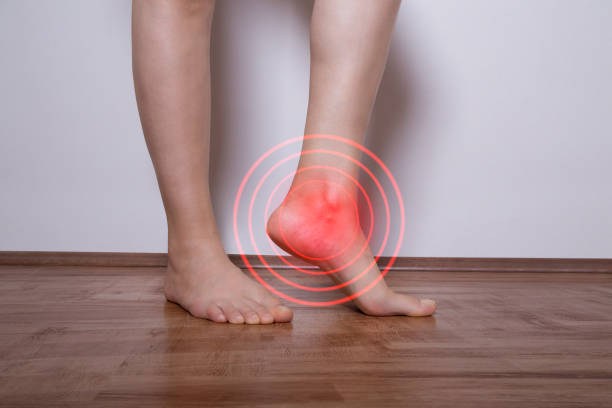
Why it helps: Supports joint mobility and reduces fluid retention or swelling in the lower legs.
How to do it: Lift one foot off the ground and rotate your ankle 10 times clockwise, then 10 times counterclockwise. Switch legs.
7. Desk Push-Ups:
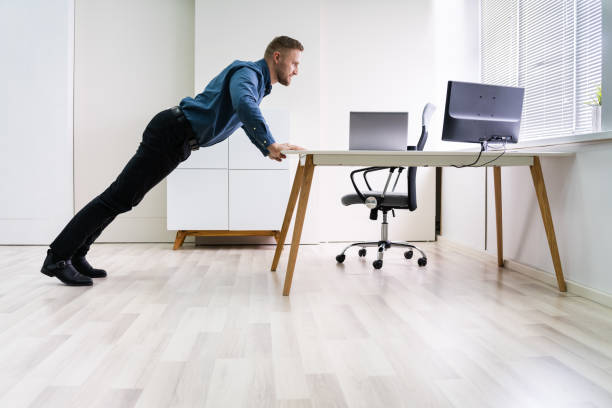
Why it helps: Strengthens your upper body and wakes up your core muscles.
How to do it: Stand, place your hands on the edge of a sturdy desk. Step your feet back into a diagonal line. Lower your chest toward the desk, then press back up. Do 10–15 reps.
8. Seated Leg Extensions:
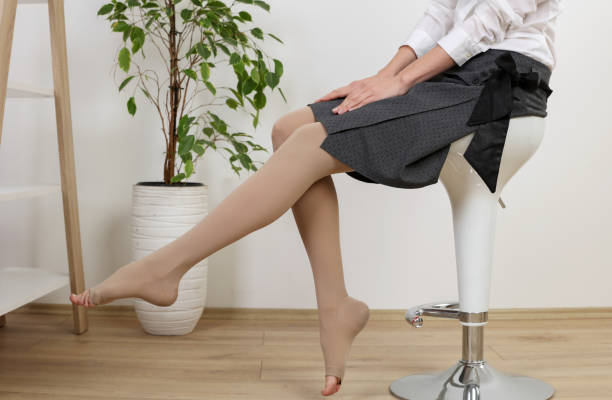
Why it helps: Strengthens the quads and supports knee health.
How to do it: Sit tall. Extend one leg until it’s straight and parallel to the floor. Hold for 5–10 seconds, then lower. Repeat 10 times per leg.
9. Seated Glute Squats:
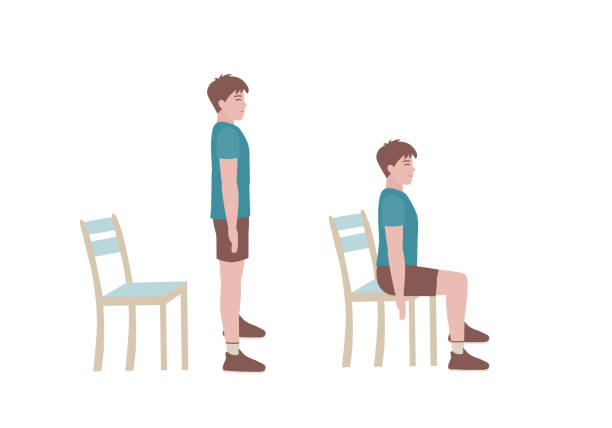
Why it helps: Prevents muscle atrophy in the glutes from long sitting.
How to do it: While seated, tighten your glutes and hold for 5 seconds. Release. Do 10–15 reps. Bonus: no one will even notice you’re doing them.
10. Seated Calf Raises:
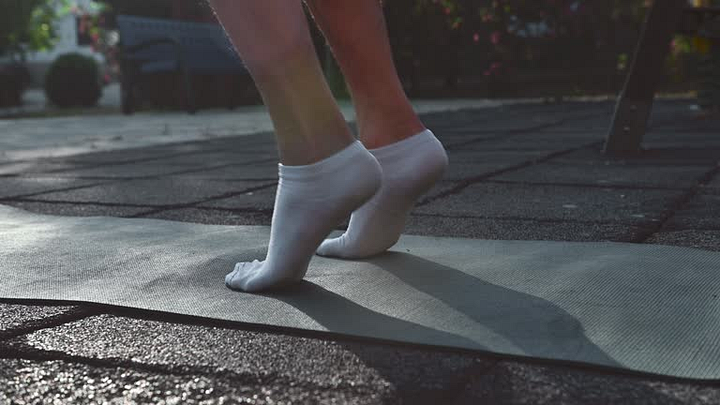
Why it helps: Improves circulation and strengthens lower leg muscles.
How to do it: Stand behind your chair or at your desk for balance. Rise onto your toes, hold for a second, then slowly lower your heels. Do 15–20 reps.
🕒 How Often Should You Move?
Set a reminder (even a sticky note on your computer) to move at least once every hour. Just 1–2 minutes of stretching or walking can improve how you feel by the end of the day.
Want to take it further? Try every 30 minutes:
- March in place for 30 seconds
- Do 10 chair squats
- Take a lap around your office or home