

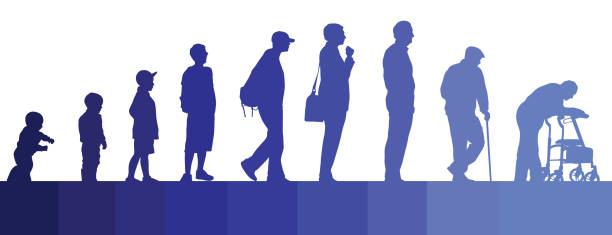
Listen, your body is constantly evolving, and the way you train should evolve with it too! The exercises that benefit you as a teenager or during your early adulthood won’t necessarily be the best approach in your 30s or 40s. However, it doesn’t mean you can’t be lifting weights as you get older !! The best way to stay active as you age is to first of all listen to your body and to your healthcare professionals of course! I think the key is understanding the biological changes happening in each decade! This can help you train smarter, pick the proper exercises, prevent injuries, and maximize your long-term health as you train. Who doesn’t want that ?! So let me break it down for you !
Here’s why you should be exercising throughout every stage of life and how to do it properly
Those Teenage Years (10–20’s)

What you should be thinking about ? … Building Foundations!
What’s Happening Biologically?
During your teenage years, your body experiences rapid, if not constant growth! I’m talking about those nasty growing pains! All of which contribute to increased bone density and muscle development! YAY! At the same time, your metabolism is at its all time high, and your nervous system is refining your coordination and balance skills. This is the perfect time to build fundamental (AKA: Basic) movement patterns and develop a strong athletic base. This is why joining a sport in your teens is crucial! Not only does it help teens develop physically but their heightened mental development also plays a crucial role. Here’s a short rundown!
Physical Benefits:
- Builds Strength and Endurance
- Improves Cardiovascular Health
- Enhances Coordination and Motor Skills
- Boosts Bone Health
- Encourages a Healthy Lifestyle
Mental and Emotional Benefits:
- Reduces Stress and Anxiety
- Boosts Confidence and Self-Esteem
- Develops Discipline and Time Management
- Enhances Social Skills and Teamwork
- Builds Resilience and Mental Toughness
Now these benefits, although are patient to any decade of your life, they are particularly important during those developmental years! They help create the framework for health development both physically and cognitively ! But don’t let age stop you! No matter your age, you can do just about anything to get both your mind and body moving!
Why Does This Decade Matter?
This is the best decade to develop good movement habits, flexibility, and foundational strength that will carry with you well into your young adulthood. Something that comes with strength training are injuries. A simple way to avoid this is by balancing different types of activities. Learning the basic technique for foundational exercises is most important!
Best Exercises for Teens:
- Squats– Strengthens lower body and builds a strong foundation.
- Push-ups — Develops upper body strength and core stability.
- Jump Rope — Improves coordination, endurance, and cardiovascular health.
- Planks — Strengthens core muscles and improves posture.
- Agility Drills (Ladder Drills, Cone Drills) — Enhances speed, reflexes, and balance.
Your Twenties (20–30)
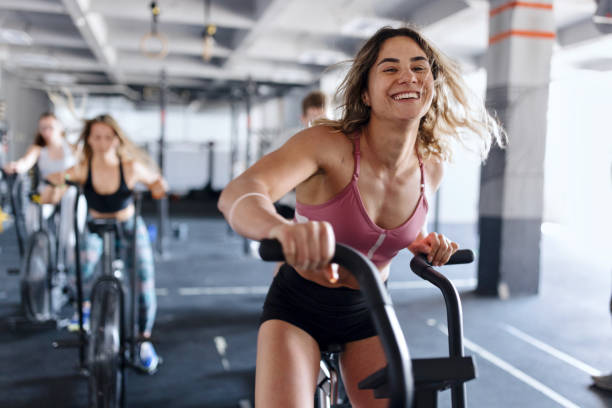
What you should be thinking about ? … Maximizing Performance!
What’s Happening Biologically?
In your 20s, you’re at your physical peak! Once again both mentally and physically. During this decade your frontal lobe becomes fully developed (at age25) and both your musculature and growth are at its peak! At the same time, your muscle recovery is fast, testosterone and growth hormone levels are high (for both men and women), and your body is primed for performance! This is the decade to build strength, endurance, and refine those athletic skills while avoiding reckless overtraining.
Why Does This Decade Matter?
Your 20s set the tone for your long-term fitness. Strength, power, and cardiovascular health should all be priorities. Developing solid training habits now can prevent injuries later.
Best Exercises for Your 20s:
- Deadlifts — Builds total-body strength and improves posture.
- Pull-ups — Enhances upper body strength and grip endurance.
- Sprints — Boosts speed, explosiveness, and cardiovascular fitness.
- Kettlebell Swings — Strengthens posterior chain and improves power.
- Turkish Get-ups — Enhances mobility, coordination, and stability.
During Your Thirties (30–40)
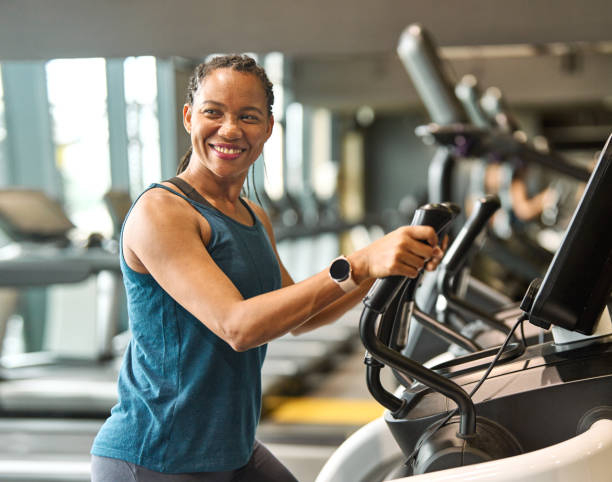
What you should be thinking about ? … Building Strength & Protecting Joints!
What’s Happening Biologically?
Your metabolism starts to slow slightly (but not to worry, if you continue to focus on your physical health as well as your nutrition, you won’t see too much of a regression !). During this decade, muscle recovery takes longer. Joint health becomes more critical, and maintaining lean muscle mass is essential for keeping your metabolism up. This is also the decade where lingering injuries from overuse can start to show up if you haven’t been training smart! Hence why it’s important to stay ahead of the game, take the proper precaution and don’t totally give up on training.
Why Does This Decade Matters?
Muscle mass naturally starts to decline, so resistance training becomes even more important. This is the time to focus on joint-friendly movements, mobility, and sustainable strength-building exercises.
Best Exercises for Your 30s:
- Front Squats — Places less strain on the lower back while strengthening the legs.
- Resistance Band Workouts — Reduces joint stress while improving muscle activation.
- Yoga or Mobility Drills — Helps maintain flexibility and prevent injuries.
- Rowing Machine — Provides a full-body, low-impact cardiovascular workout.
- Hill Sprints — Offers an intense workout while being easier on the joints than flat-ground sprints.
Time For Your Forties (40–50)
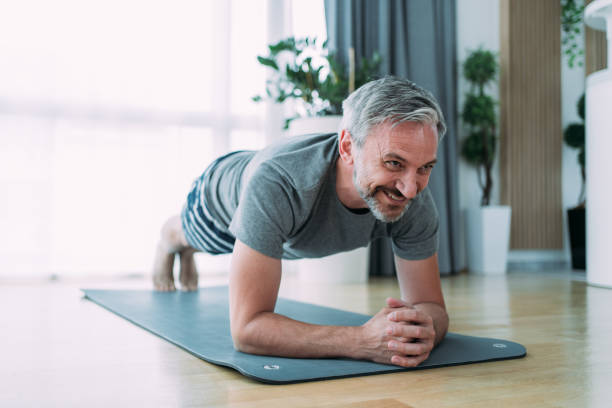
What you should be thinking about ? … Longevity & Functional Fitness!
What’s Happening Biologically?
Hormonal changes become more noticeable, recovery takes longer, and bone density starts to decline. Now I know all of these things sound bad but it’s part of life, but don’t let it stop you ! The body becomes more prone to stiffness, and flexibility decreases. Strength and mobility training are crucial to maintaining function and preventing injuries.
Why Does This Decade Matters?
Preserving muscle mass, joint health, and flexibility should be the focus. Workouts should be balanced with recovery to avoid injury while maintaining strength and endurance.
Best Exercises for Your 40s:
- Dead Hangs: Improves grip strength and spinal decompression.
- Lunges (Bodyweight or Weighted) — Builds leg strength and stability.
- Swimming — Provides a low-impact, full-body workout.
- Tai Chi or Pilates — Enhances flexibility, balance, and joint health.
- Medicine Ball Slams — Maintains power and explosiveness with lower impact.
Your fitness journey evolves as you age, and each decade brings new challenges. Training smart in your youth lays the groundwork for strength and mobility later in life, while adjusting workouts in your 30s and 40s ensures longevity and injury prevention. All of which may seem daunting but understanding your body’s needs at each stage makes it easier to train effectively and stay strong for years to come.
So in this blog post I only covered your fitness regime until you’re 50 but let me tell you, it doesn’t stop there! I’ll be back with part 2 to show you how you can continue to train in your 50’s, 60’s , 70’s and 80’s … Yes even in your 80’s! Stay tuned !