
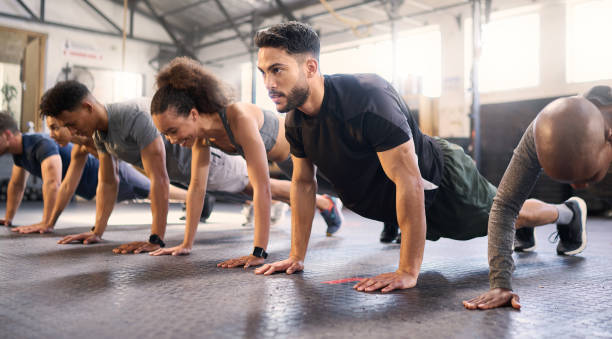
When it comes to fitness, I often hear terms like “core strength” tossed around, but what does it really mean? More importantly, why should we care? From athletic performance to daily activities, the strength of your core is essential in providing stability, preventing injuries, and boosting your overall fitness level. I feel like people get lost in the aesthetics of having abs, focus on only getting shredded abs by wearing a waist trainer or doing endless crunches Russian twists. Let me tell you, that is not the way you’ll achieve a strong core. And yes I said strong core and not abs! Now you might be asking yourself… What’s the difference between core and abs…. Well if you are … I’m here to answer that question and if you’re not .. well maybe now you’re curious!
Here’s the basics 101:
The key difference between abs and a strong core comes down to appearance vs. function.
Abs (Abdominal Muscles):
- The abs, or your rectus abdominis muscles , are the muscles on the front of your torso that create the well-known “six-pack” look.
- This muscle (s) They are mainly responsible for flexing the spine, like when you perform a crunch.
- Having visible abs is often a result of low body fat rather than sheer strength. Since it’s the most superficial muscle, people can have defined abs that show through but still lack overall core strength.
A Strong Core:
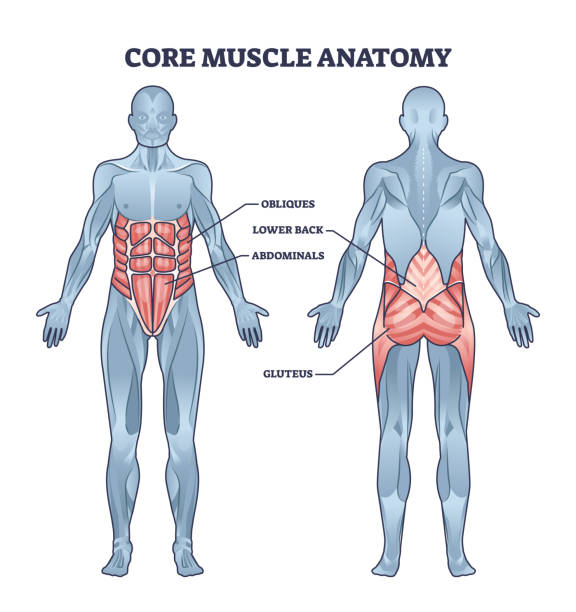
- The core includes all the muscles that stabilize and support your spine and pelvis, not just the abs. This includes some deeper muscles beneath your rectus abdominis muscle which are:
- Transverse abdominis : Act as deep core stabilizer
- Obliques: Act as side muscles responsible for rotation and lateral movement
- Lower back muscles: Act as lumbar stabilizers
- Glutes : Act as hip stability and power
- Pelvic floor muscles: Act as control and balance
- A strong core is essential for balance, posture, injury prevention, and overall functional movement — not just looking fit.
What Exactly is Your Core?
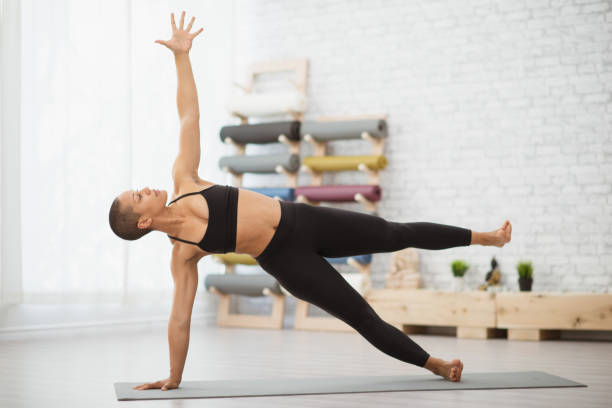
Your core refers to the muscles in your abdomen, back, and pelvis. These muscles work together to stabilize your spine and pelvis. However, the core also encompasses your lower back muscles, hip flexors, glutes, and even your diaphragm, which play vital roles in maintaining your body’s posture and balance. Together, these muscles create a solid
But Why is Core Strength So Important?
1.Improved Posture and Balance:
A strong core plays a significant role in maintaining proper posture. Whether you’re sitting at a desk, standing, or moving, your core keeps you aligned and standing . A weak core can lead to slouching and poor posture, which can cause discomfort or even chronic pain over time. Strengthening these muscles helps you stand taller and feel more balanced.
2. Reduced Risk of Injury:
Your core stabilizes your spine, making it essential for protecting your back during any movement. When the core is strong, your body is better able to absorb impact, whether you’re lifting weights, running, or even just bending over to pick something up. A weak core, on the other hand, increases the risk of strain or injury, especially in the lower back.
3. Enhanced Performance in Physical Activities:
Whether you’re an athlete or just enjoy a good workout, a strong core is key to maximizing your performance. It acts as a powerhouse for almost every movement, whether you’re sprinting, lifting, or jumping. A stable core allows your arms and legs to move more efficiently, enabling you to generate more force and power during your activities.
4. Supports Everyday Movements:
Core strength is crucial for performing everyday activities, from bending down to tie your shoes to lifting groceries. If you’ve ever struggled with a backache after simple tasks, it’s likely that your core isn’t providing enough support. Strengthening your core improves your ability to perform these movements safely and with ease.
5. The “Stop, Drop, and Core” Concept:
Here’s where it gets interesting — think of the phrase “Stop, Drop, and Core” as a metaphor for the role core strength plays in unpredictable, sudden movements. In real-life situations, such as avoiding a fall, adjusting to an unexpected change in direction, or responding to a sports scenario, your core is responsible for stabilizing your spine and preventing injury. Without a strong core, these sudden shifts in motion could lead to instability or strain. A strong core, however, helps you quickly “stop” and “drop” into a safe, controlled position.
Core Exercises to Include in Your Routine
1. Planks:
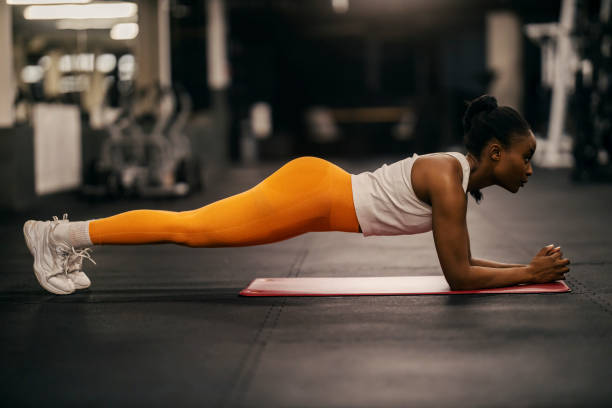
The plank is one of the most effective exercises to target the entire core. Start in a forearm plank position, keeping your body in a straight line from head to heels. Engage your core and hold for as long as you can.
2. Leg rasises:

Lie on your back with your legs straight. Slowly lift your legs toward the ceiling while engaging your lower abs, then lower them back down without letting them touch the ground.
3. Dead Bug:
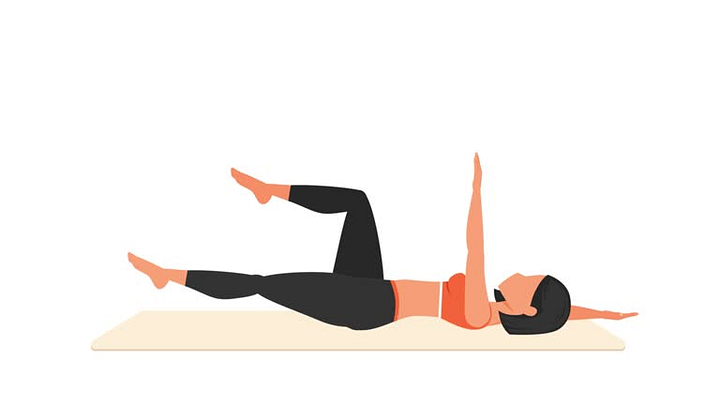
Start lying on your back with arms extended toward the ceiling and knees bent at 90 degrees. Slowly lower your right arm and left leg toward the floor, then return to the starting position. Repeat on the opposite side.
4. Mountain Climbers:
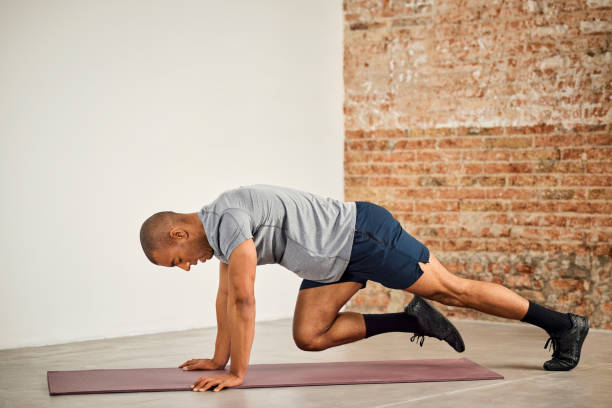
Begin in a plank position and bring one knee toward your chest, alternating legs in a quick, controlled manner. This exercise engages the core while also providing a cardiovascular workout.
Building and maintaining a strong core isn’t just for athletes or fitness enthusiasts — it’s essential for everyone. A strong core supports good posture, reduces the risk of injury, enhances your physical performance, and makes everyday movements easier and safer. So, whether you’re training for a marathon or simply trying to avoid back pain, make sure you’re taking the time to strengthen your core.Just remember, your core is the foundation of nearly every movement your body makes. A strong foundation means greater stability, power, and injury prevention. So, get ready to “stop, drop, and core” — your body will thank you for it!